
Fearlessly Enjoy
Food Again
Conquer stomach issues, bloating, & exhaustion with real answers and a step-by-step strategy to heal your gut, support your weight & hormones, restore your health and reclaim your joy.
Fearlessly Enjoy
Food Again
Conquer stomach issues, bloating, & exhaustion with real answers and a step-by-step strategy to heal your gut, support your weight & hormones, restore your health and reclaim your joy.
Your body has a story to tell.
It just needs someone to listen.
The WOMEN'S GUT HEALTH method
Step 1:
First we dive into your complete health history, truly listen to your body, and piece together the clues to uncover the root cause of your gut issues.
Step 2:
Tweak your current diet based on your symptoms and rebalance your gut microbiome using food and a few supplements.

Step 3:
Together, we’ll craft a simple, personalized nutrition and lifestyle plan that fits your life, schedule, and food preferences. You do NOT need to be a "wellness girlie" to get well.
Step 4:
We’ll help you continue to set easy-to-reach goals and give you the support you need to achieve them, step by step.

Transform your health and feel like yourself again:
Wake up without bloating, exhaustion, or anxiety over what to eat. With a personalized, step-by-step plan built for your body, you’ll finally have the clarity and confidence to heal from the root.. without fear, frustration, or restriction. This is about fixing your digestion + reclaiming your energy, your freedom, and your life.

20k+Courses

20k+Happy Clients

500+Experts
Generic Diet Handouts Trashed
Foods Eaten Without Fear
Mystery Symptoms Solved
Women Served

About Molly Ostrander
DIETITIAN AND CERTIFIED FUNCTIONAL PRACTITIONER
I’m here to guide you from unexplained symptoms to a better quality of life. Having lived with Crohn’s disease for over 20 years, I understand what you’re going through, because I have been there. If you’re tired of being dismissed by providers who can’t help, seeking practical dietary guidance, and are ready to take control of your GI & hormone health, I’m here to support you.
There is no one-size-fits-all diet for chronic stomach issues and fluctuating hormones. Together we will find your personalized diet, one with foods you love that supports your goals and doesn't hurt your belly.
Our top rated skills you can learn
Discover Our Top-Rated Skills Elevate Your Expertise with the Best Courses for Learning and Mastering Essential Abilities.

23,000+ more skillful courses you can explore
Your Path to Passive Income
They will teach you the best strategies, tools, and tips to find profitable niches, create engaging content, generate traffic, and convert visitors into buyers.
Check out the blog

Wanting to Feel Good in Your Body Isn't Selfish
Let me say the quiet part out loud.
You are smart, capable, and extremely well-informed. You have probably read the articles, downloaded the app, tried the elimination phase, cut the alcohol, added the magnesium, and still, something isn't adding up. The weight isn't moving the way it used to. Digestion is unpredictable. Energy is inconsistent in a way that feels new. And somewhere along the way, you started wondering if this is just what getting older feels like.
It isn't. Or at least it doesn't have to be!
The "Just Try Harder" Trap
When things feel off in our bodies, the default instinct for high-achieving women is to tighten things up. Eat less. Be more strict. Cut the carbs again. Add a workout. That instinct makes sense because it's the same problem-solving mode that works everywhere else in your life. It also worked in your 20s and 30s, and it just doesn’t seem fair that it’s not working today, dang it.
Restriction and brute force usually aren’t the move past the age of 40. When your body isn't responding the way you expect (you're eating reasonably, moving consistently, and still gaining weight, bloating after meals, or crashing by 2pm) that’s a feedback problem. Vs a willpower problem. Your body is telling you that the current approach isn't addressing the actual issue.
Real progress can be found when you get curious about the why instead of continuing to do what is not working.
What's Actually Going On
There's a reason conventional advice ("eat less, move more, track your macros") works beautifully for some women and does absolutely nothing for others. This is why nutrition is so personalized, and why the internet usually does not have the answer to your problem.
Your gut is not just a tube that processes food. It is an active, dynamic ecosystem that communicates with your hormones, your immune system, your brain, and your metabolism in real time. When something is off inside that ecosystem, the downstream effects show up in ways that look a lot like other problems: stubborn weight, brain fog, bloating, anxiety, skin issues, irregular cycles, and fatigue that no amount of sleep fixes.
The frustrating part? Most standard lab work won't catch it. You can have a full GI workup come back "normal" and still have a gut that is quietly undermining your best efforts.
Here are five of the most common underlying issues I see.. and they are far more common in women over 40 than most providers acknowledge.
1. Blood Sugar Dysregulation (Your Microbiome Is Involved)
Most people understand blood sugar in terms of sugar intake. What they don't know is that your gut microbiome directly influences your glucose response. Two people can eat the exact same meal and have completely different blood sugar reactions, and the research is pretty clear that the composition of your gut bacteria is a significant driver of that difference.
When your microbiome is out of balance, your glucose regulation suffers. And dysregulated blood sugar (even within the "normal" glucose and a1c range) drives fat storage, cravings, energy crashes, and inflammation. You can be eating a reasonable diet and still be on a blood sugar rollercoaster if the underlying microbiome isn't supporting stable glucose metabolism. A big part of this is also carbohydrate and meal timing, which is one of the reasons skipping meals and eating low carb is making things worse. It is simple to execute once you understand the process.
2. Increased Intestinal Permeability ( The Wall With Holes In It)
Think of your intestinal lining like a tightly woven net. Its job is to let nutrients through and keep everything else (bacteria, undigested food particles, toxins) contained. When that lining becomes compromised (this is what people mean by "leaky gut," though I prefer the clinical term because it's more accurate and less dramatic), those gaps allow things to cross into the bloodstream that shouldn't be there. AKA, an increase in how permeable your intestinal wall is, or how large the gaps are between cells.
The immune system responds. Inflammation follows. And that low-grade, chronic inflammation affects everything: your weight, your energy, your skin, your joints, your mood.
Increased intestinal permeability is not a fringe diagnosis. It's a well-documented physiological process that is directly associated with chronic inflammatory conditions, autoimmune disease, and yes, even unexplained weight gain and fatigue.
Remember, microbiome research is fairly new, and addressing it is considered, in many traditional practices, to be ‘holistic’ or ‘experimental’. This is why you have probably not heard much about your gut flora beside a casual probiotic recommendation from the doctor.
3. SIBO (Bacteria in the Wrong Zip Code)
SIBO stands for Small Intestinal Bacterial Overgrowth. Your gut is supposed to have bacteria in both the small and large intestine. When too much or weird kinds of bacteria are in the small intestine, (where most nutrient absorption happens), we can develop related symptoms. When bacteria migrate upstream and set up camp where they don't belong, they ferment your food before you can absorb it properly.
The result? Bloating that starts almost immediately after eating. Gas. Distension. Nutrient deficiencies despite eating well. Weight that won't budge despite reasonable effort.
SIBO is more common than most GPs realize, is frequently blanketed as IBS, and responds very well to targeted dietary and supplement interventions when correctly identified. The key word being correctly identified, which requires knowing to look for it in the first place.
4. Cortisol and the Gut
Chronic stress is a mental health issue. But it’s also a physical one, and your gut takes the hit directly.
The gut has its own nervous system (the enteric nervous system, sometimes called the "second brain"), and it is in constant communication with your brain via the gut-brain axis. When cortisol is chronically elevated (which, for most high-functioning women running demanding careers and full lives, is basically just Tuesday), it alters gut motility, disrupts the microbiome, increases intestinal permeability, and shifts your metabolism toward fat storage.
You cannot meditate your way out of a gut that is structurally responding to chronic stress. You have to address the physiology directly.
5. The Estrobolome (Your Gut Runs Your Estrogen)
This one surprises people. There is a subset of your gut bacteria collectively called the estrobolome, whose job is to metabolize and regulate estrogen. When the estrobolome is healthy and balanced, your body processes and eliminates estrogen efficiently. When it's disrupted, estrogen recirculates.
Estrogen dominance (even relative estrogen dominance, where estrogen isn't necessarily high but progesterone is low) drives weight gain, particularly around the belly and hips. It can also drive mood changes, breast tenderness, heavy periods, and the particular kind of fatigue that feels hormonal. Many women entering perimenopause are told their hormones are "fine" on labs, while their gut is quietly running a different program.
Estrogen plays a huge role in your gut microbiome. As your estrogen levels drop, the gut microbiome shifts with fewer species, less resilience, less functional capacity across the board.
This is not a minor footnote. It means that gut health is hormone health. You cannot fully address one without addressing the other.
So What Do You Do With This?
First, take a look at how you nourish your body. Eating less and restricting harder is not a solution to any of the five issues above. In most cases, it makes them worse, particularly the cortisol piece, because undereating is a physiological stressor.
Second, get specific. "Eating healthy" is not specific enough when the issue is intestinal permeability, or SIBO, or an estrobolome that's off. Broad dietary virtue doesn't fix targeted physiological problems. You need to know what you're actually dealing with before you can address it effectively.
Third, account for the hormonal context. If you are in perimenopause or postmenopause, your gut and your hormones are in an active conversation that changes the rules. What worked at 35 may genuinely not work at 48, and that's not failure. This is such an empowering time in a woman’s life! The key is to address the shift in underlying biology that requires a different strategy.
You can't outrun changing hormones. What you can do is understand them well enough to work with them instead of against them.
The Part Where I Tell You There's a Reasonable Next Step
Feeling physically comfortable isn't indulgence. It is a reasonable baseline for a life that already asks a lot of you. The women I work with are not looking for a quick fix, they're looking for an explanation, a structure, and a plan that accounts for the actual complexity of what's happening in their bodies.
If any of the issues above sounded familiar, I put together a free masterclass that goes deeper into each one. Specifically how they show up in women over 40, what the research actually says, and how to start addressing them without overhauling your entire life.
It's called 5 Hidden Gut Issues That Are Blocking Your Weight Loss (and what to do about it) and it's the conversation I wish someone had handed me years ago.
Register here - Join us live on 3/30 at 6PM EST (or watch the replay)
@womensguthealth on:

Our Latest Articles
Wanting to Feel Good in Your Body Isn't Selfish
Let me say the quiet part out loud.
You are smart, capable, and extremely well-informed. You have probably read the articles, downloaded the app, tried the elimination phase, cut the alcohol, added the magnesium, and still, something isn't adding up. The weight isn't moving the way it used to. Digestion is unpredictable. Energy is inconsistent in a way that feels new. And somewhere along the way, you started wondering if this is just what getting older feels like.
It isn't. Or at least it doesn't have to be!
The "Just Try Harder" Trap
When things feel off in our bodies, the default instinct for high-achieving women is to tighten things up. Eat less. Be more strict. Cut the carbs again. Add a workout. That instinct makes sense because it's the same problem-solving mode that works everywhere else in your life. It also worked in your 20s and 30s, and it just doesn’t seem fair that it’s not working today, dang it.
Restriction and brute force usually aren’t the move past the age of 40. When your body isn't responding the way you expect (you're eating reasonably, moving consistently, and still gaining weight, bloating after meals, or crashing by 2pm) that’s a feedback problem. Vs a willpower problem. Your body is telling you that the current approach isn't addressing the actual issue.
Real progress can be found when you get curious about the why instead of continuing to do what is not working.
What's Actually Going On
There's a reason conventional advice ("eat less, move more, track your macros") works beautifully for some women and does absolutely nothing for others. This is why nutrition is so personalized, and why the internet usually does not have the answer to your problem.
Your gut is not just a tube that processes food. It is an active, dynamic ecosystem that communicates with your hormones, your immune system, your brain, and your metabolism in real time. When something is off inside that ecosystem, the downstream effects show up in ways that look a lot like other problems: stubborn weight, brain fog, bloating, anxiety, skin issues, irregular cycles, and fatigue that no amount of sleep fixes.
The frustrating part? Most standard lab work won't catch it. You can have a full GI workup come back "normal" and still have a gut that is quietly undermining your best efforts.
Here are five of the most common underlying issues I see.. and they are far more common in women over 40 than most providers acknowledge.
1. Blood Sugar Dysregulation (Your Microbiome Is Involved)
Most people understand blood sugar in terms of sugar intake. What they don't know is that your gut microbiome directly influences your glucose response. Two people can eat the exact same meal and have completely different blood sugar reactions, and the research is pretty clear that the composition of your gut bacteria is a significant driver of that difference.
When your microbiome is out of balance, your glucose regulation suffers. And dysregulated blood sugar (even within the "normal" glucose and a1c range) drives fat storage, cravings, energy crashes, and inflammation. You can be eating a reasonable diet and still be on a blood sugar rollercoaster if the underlying microbiome isn't supporting stable glucose metabolism. A big part of this is also carbohydrate and meal timing, which is one of the reasons skipping meals and eating low carb is making things worse. It is simple to execute once you understand the process.
2. Increased Intestinal Permeability ( The Wall With Holes In It)
Think of your intestinal lining like a tightly woven net. Its job is to let nutrients through and keep everything else (bacteria, undigested food particles, toxins) contained. When that lining becomes compromised (this is what people mean by "leaky gut," though I prefer the clinical term because it's more accurate and less dramatic), those gaps allow things to cross into the bloodstream that shouldn't be there. AKA, an increase in how permeable your intestinal wall is, or how large the gaps are between cells.
The immune system responds. Inflammation follows. And that low-grade, chronic inflammation affects everything: your weight, your energy, your skin, your joints, your mood.
Increased intestinal permeability is not a fringe diagnosis. It's a well-documented physiological process that is directly associated with chronic inflammatory conditions, autoimmune disease, and yes, even unexplained weight gain and fatigue.
Remember, microbiome research is fairly new, and addressing it is considered, in many traditional practices, to be ‘holistic’ or ‘experimental’. This is why you have probably not heard much about your gut flora beside a casual probiotic recommendation from the doctor.
3. SIBO (Bacteria in the Wrong Zip Code)
SIBO stands for Small Intestinal Bacterial Overgrowth. Your gut is supposed to have bacteria in both the small and large intestine. When too much or weird kinds of bacteria are in the small intestine, (where most nutrient absorption happens), we can develop related symptoms. When bacteria migrate upstream and set up camp where they don't belong, they ferment your food before you can absorb it properly.
The result? Bloating that starts almost immediately after eating. Gas. Distension. Nutrient deficiencies despite eating well. Weight that won't budge despite reasonable effort.
SIBO is more common than most GPs realize, is frequently blanketed as IBS, and responds very well to targeted dietary and supplement interventions when correctly identified. The key word being correctly identified, which requires knowing to look for it in the first place.
4. Cortisol and the Gut
Chronic stress is a mental health issue. But it’s also a physical one, and your gut takes the hit directly.
The gut has its own nervous system (the enteric nervous system, sometimes called the "second brain"), and it is in constant communication with your brain via the gut-brain axis. When cortisol is chronically elevated (which, for most high-functioning women running demanding careers and full lives, is basically just Tuesday), it alters gut motility, disrupts the microbiome, increases intestinal permeability, and shifts your metabolism toward fat storage.
You cannot meditate your way out of a gut that is structurally responding to chronic stress. You have to address the physiology directly.
5. The Estrobolome (Your Gut Runs Your Estrogen)
This one surprises people. There is a subset of your gut bacteria collectively called the estrobolome, whose job is to metabolize and regulate estrogen. When the estrobolome is healthy and balanced, your body processes and eliminates estrogen efficiently. When it's disrupted, estrogen recirculates.
Estrogen dominance (even relative estrogen dominance, where estrogen isn't necessarily high but progesterone is low) drives weight gain, particularly around the belly and hips. It can also drive mood changes, breast tenderness, heavy periods, and the particular kind of fatigue that feels hormonal. Many women entering perimenopause are told their hormones are "fine" on labs, while their gut is quietly running a different program.
Estrogen plays a huge role in your gut microbiome. As your estrogen levels drop, the gut microbiome shifts with fewer species, less resilience, less functional capacity across the board.
This is not a minor footnote. It means that gut health is hormone health. You cannot fully address one without addressing the other.
So What Do You Do With This?
First, take a look at how you nourish your body. Eating less and restricting harder is not a solution to any of the five issues above. In most cases, it makes them worse, particularly the cortisol piece, because undereating is a physiological stressor.
Second, get specific. "Eating healthy" is not specific enough when the issue is intestinal permeability, or SIBO, or an estrobolome that's off. Broad dietary virtue doesn't fix targeted physiological problems. You need to know what you're actually dealing with before you can address it effectively.
Third, account for the hormonal context. If you are in perimenopause or postmenopause, your gut and your hormones are in an active conversation that changes the rules. What worked at 35 may genuinely not work at 48, and that's not failure. This is such an empowering time in a woman’s life! The key is to address the shift in underlying biology that requires a different strategy.
You can't outrun changing hormones. What you can do is understand them well enough to work with them instead of against them.
The Part Where I Tell You There's a Reasonable Next Step
Feeling physically comfortable isn't indulgence. It is a reasonable baseline for a life that already asks a lot of you. The women I work with are not looking for a quick fix, they're looking for an explanation, a structure, and a plan that accounts for the actual complexity of what's happening in their bodies.
If any of the issues above sounded familiar, I put together a free masterclass that goes deeper into each one. Specifically how they show up in women over 40, what the research actually says, and how to start addressing them without overhauling your entire life.
It's called 5 Hidden Gut Issues That Are Blocking Your Weight Loss (and what to do about it) and it's the conversation I wish someone had handed me years ago.
Register here - Join us live on 3/30 at 6PM EST (or watch the replay)
@womensguthealth on:
Changes in digestion, energy, and weight are automatic. Reclaiming your resilience is optional.
How do you want to spend the second half of your life?
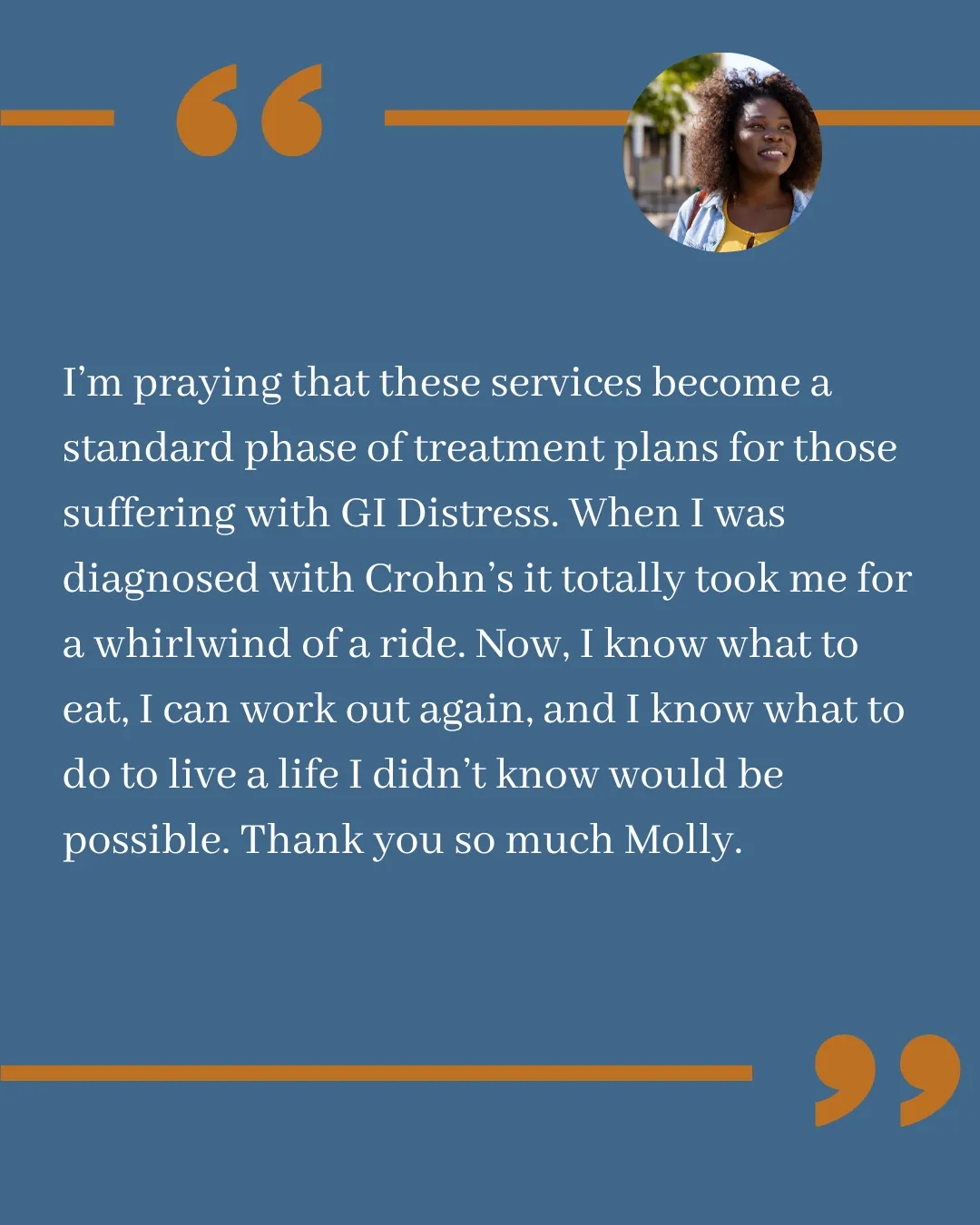
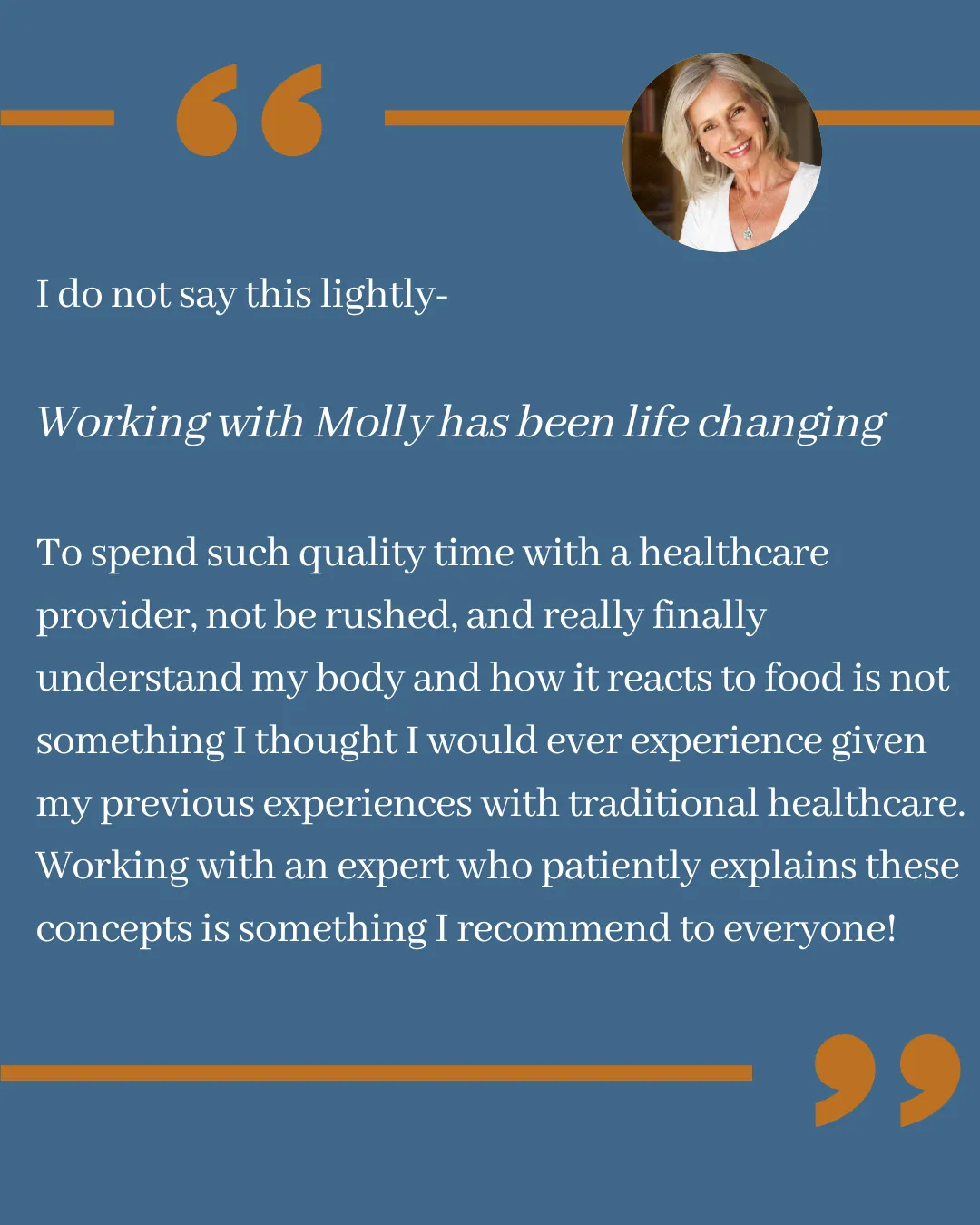
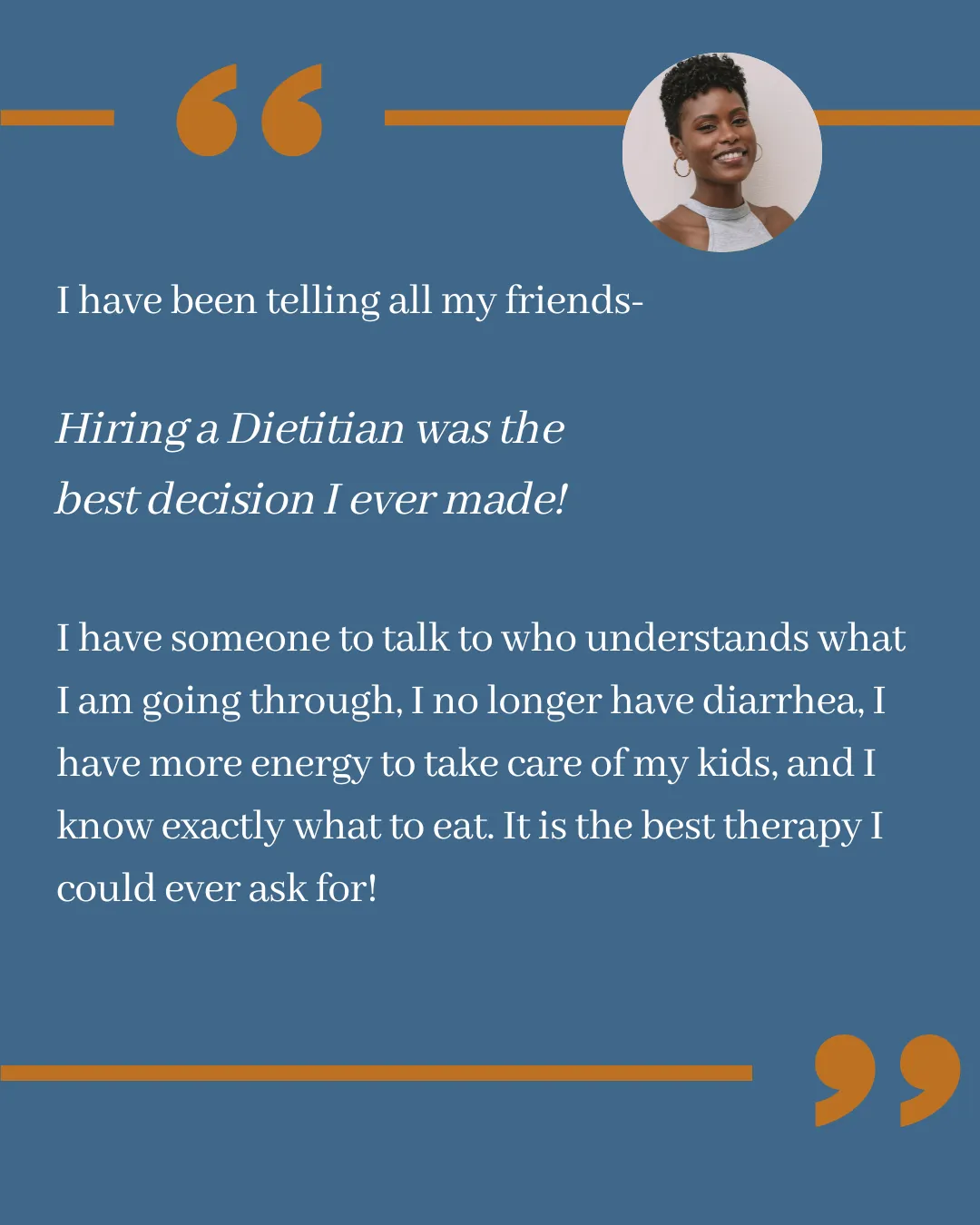
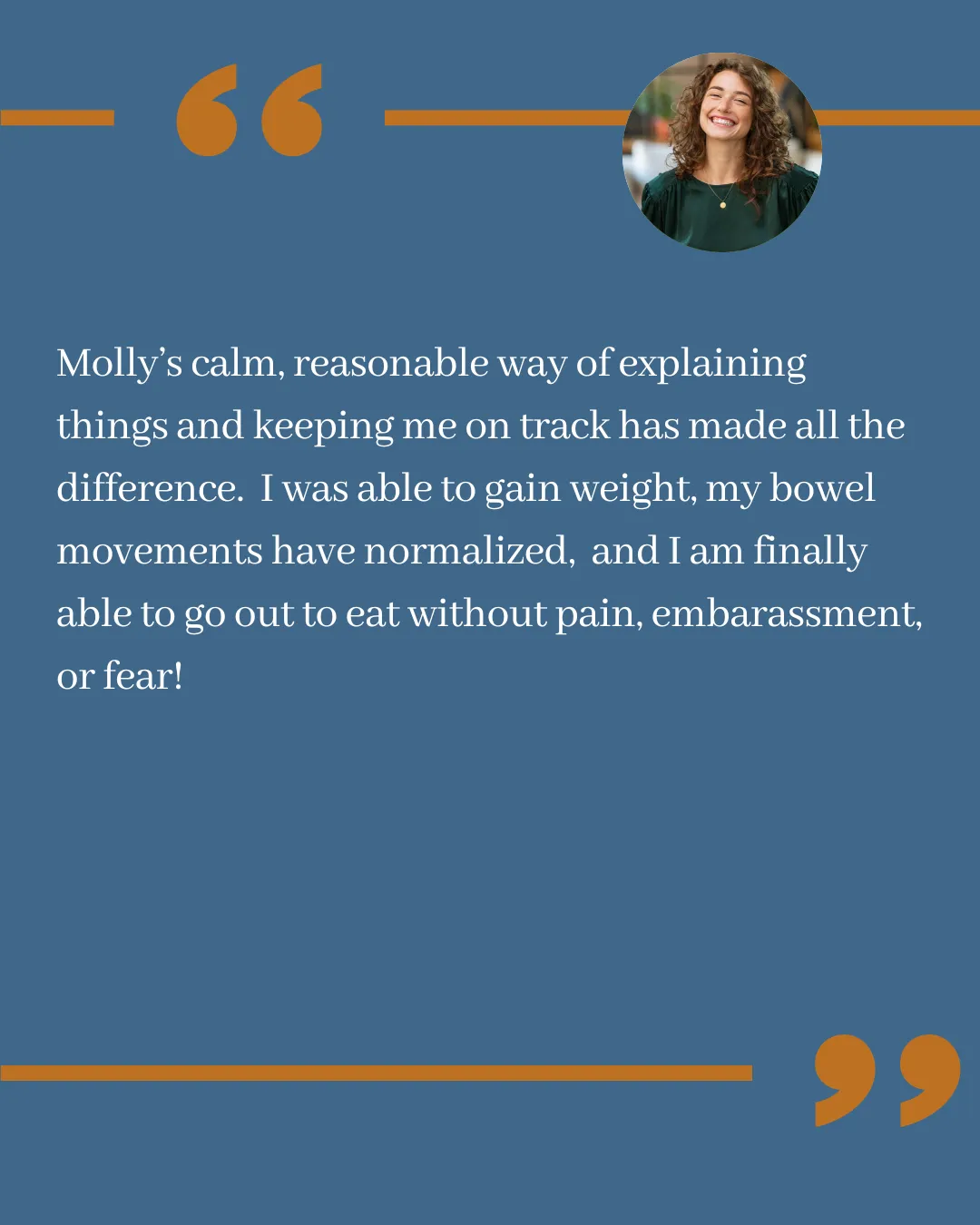
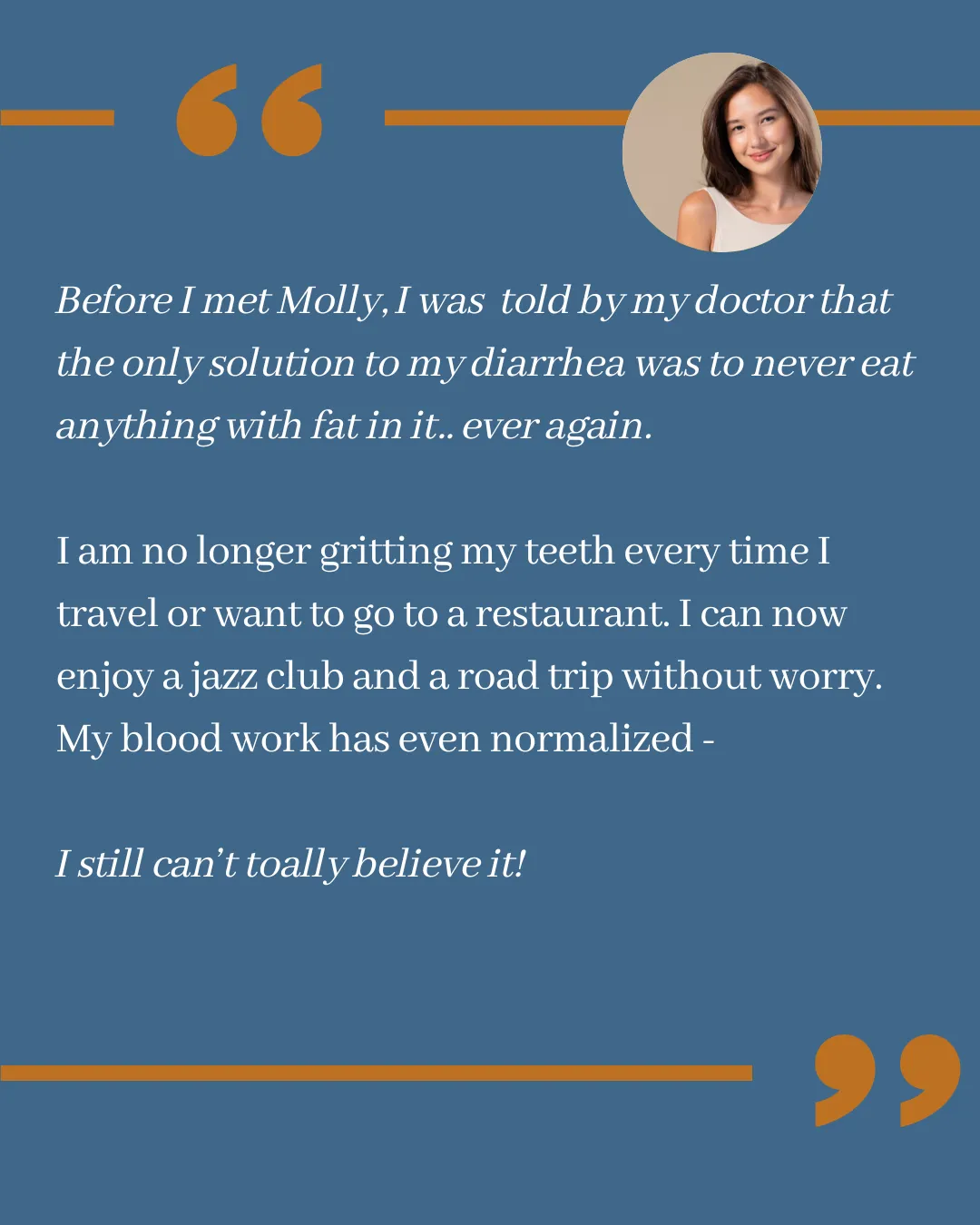
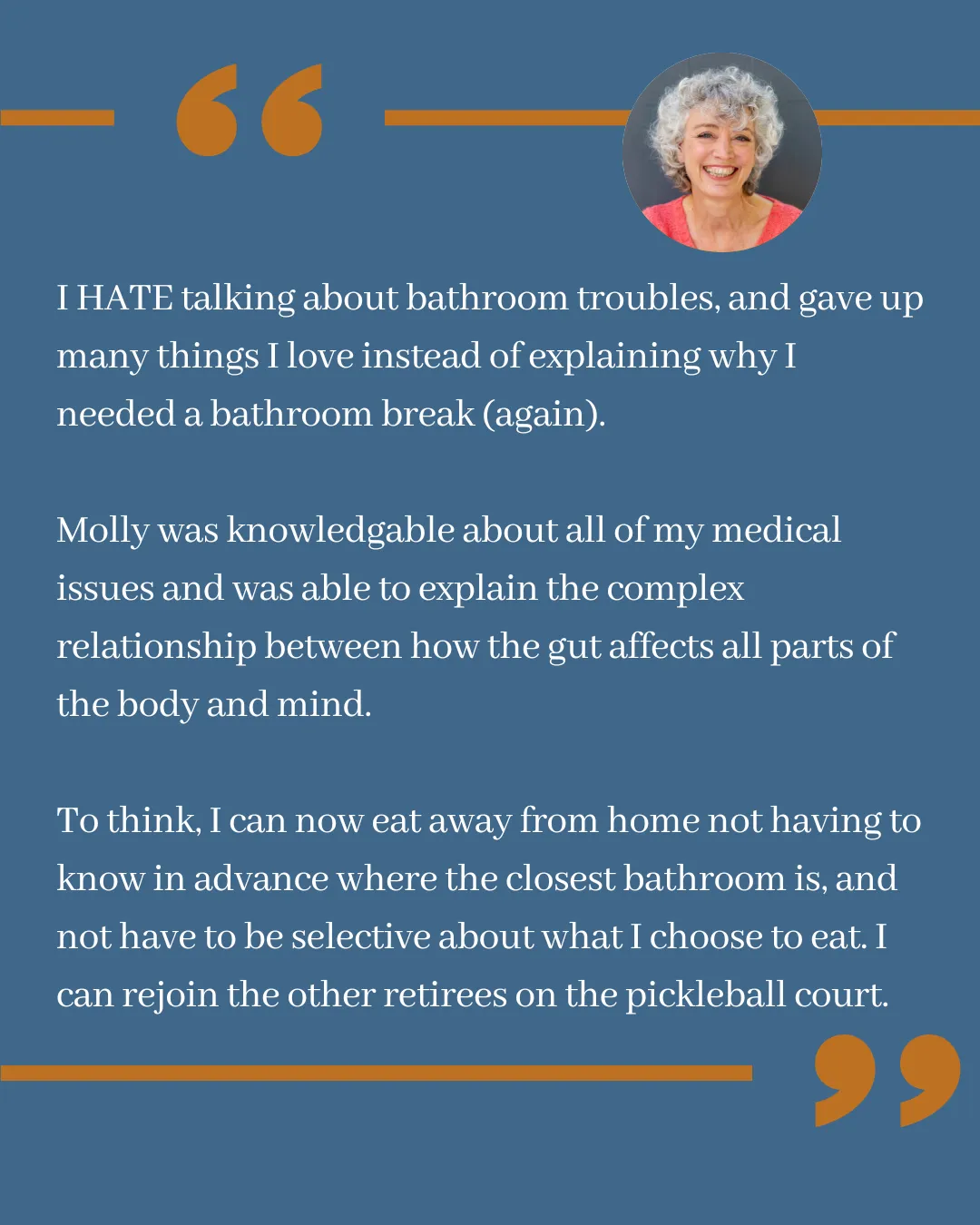
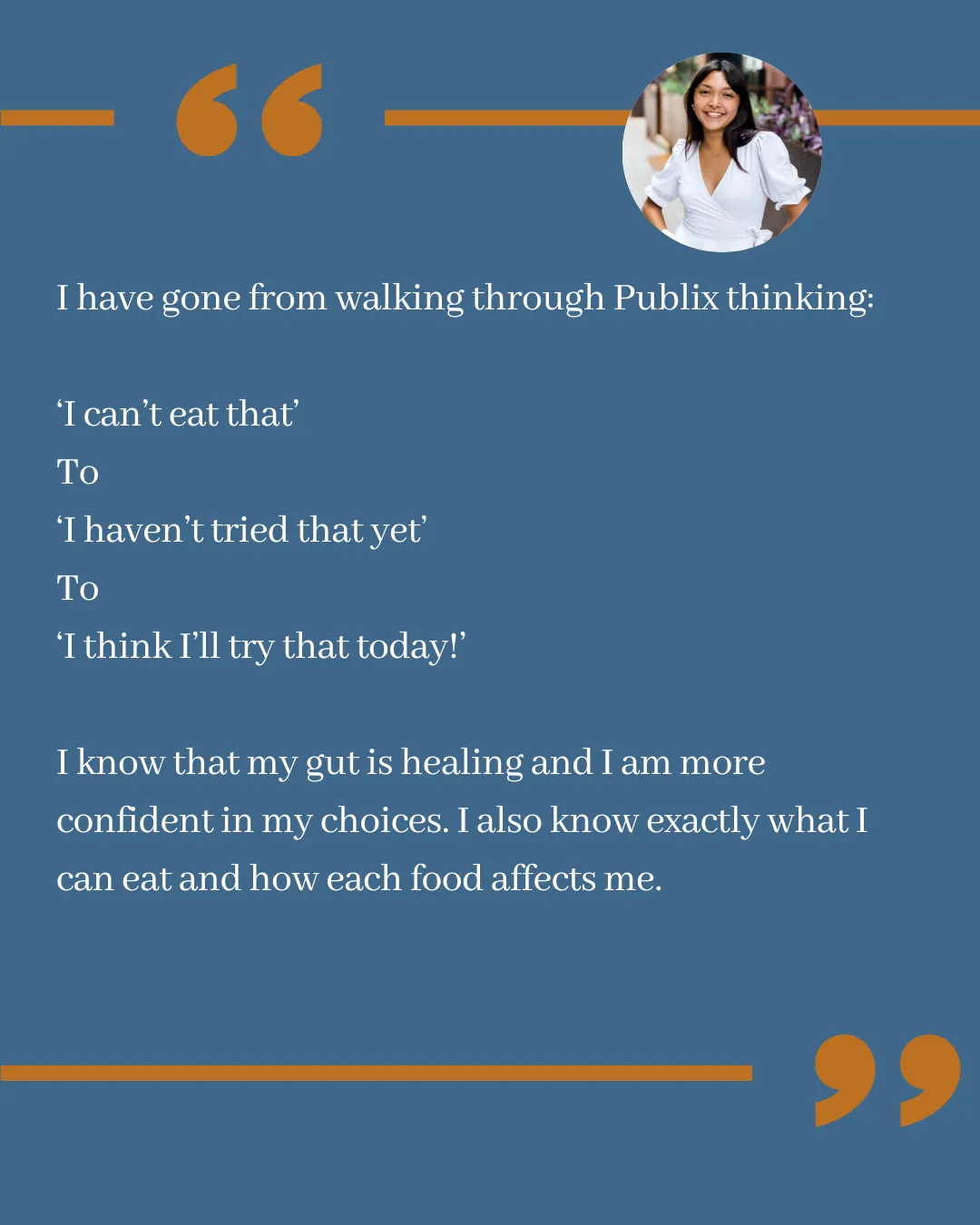
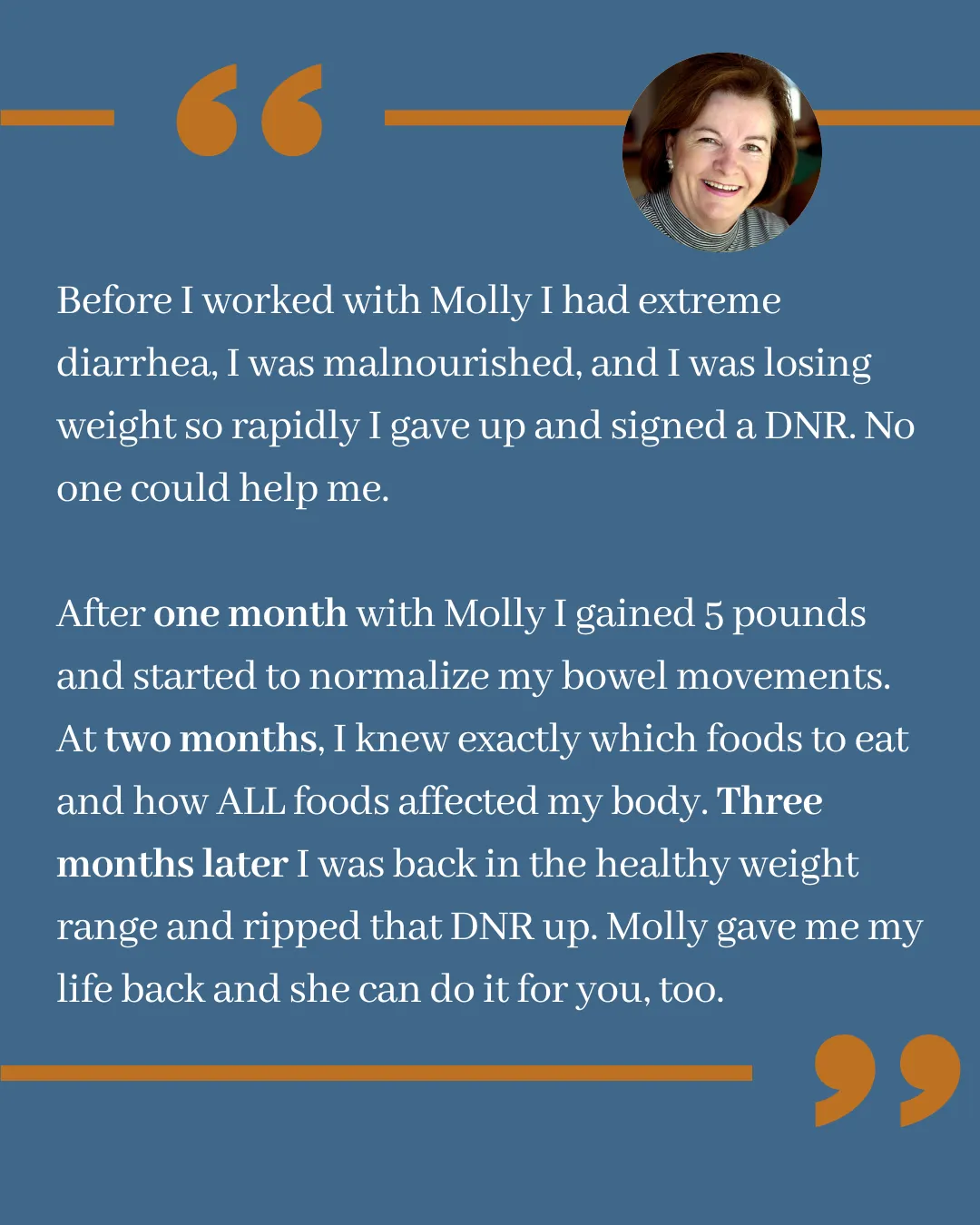
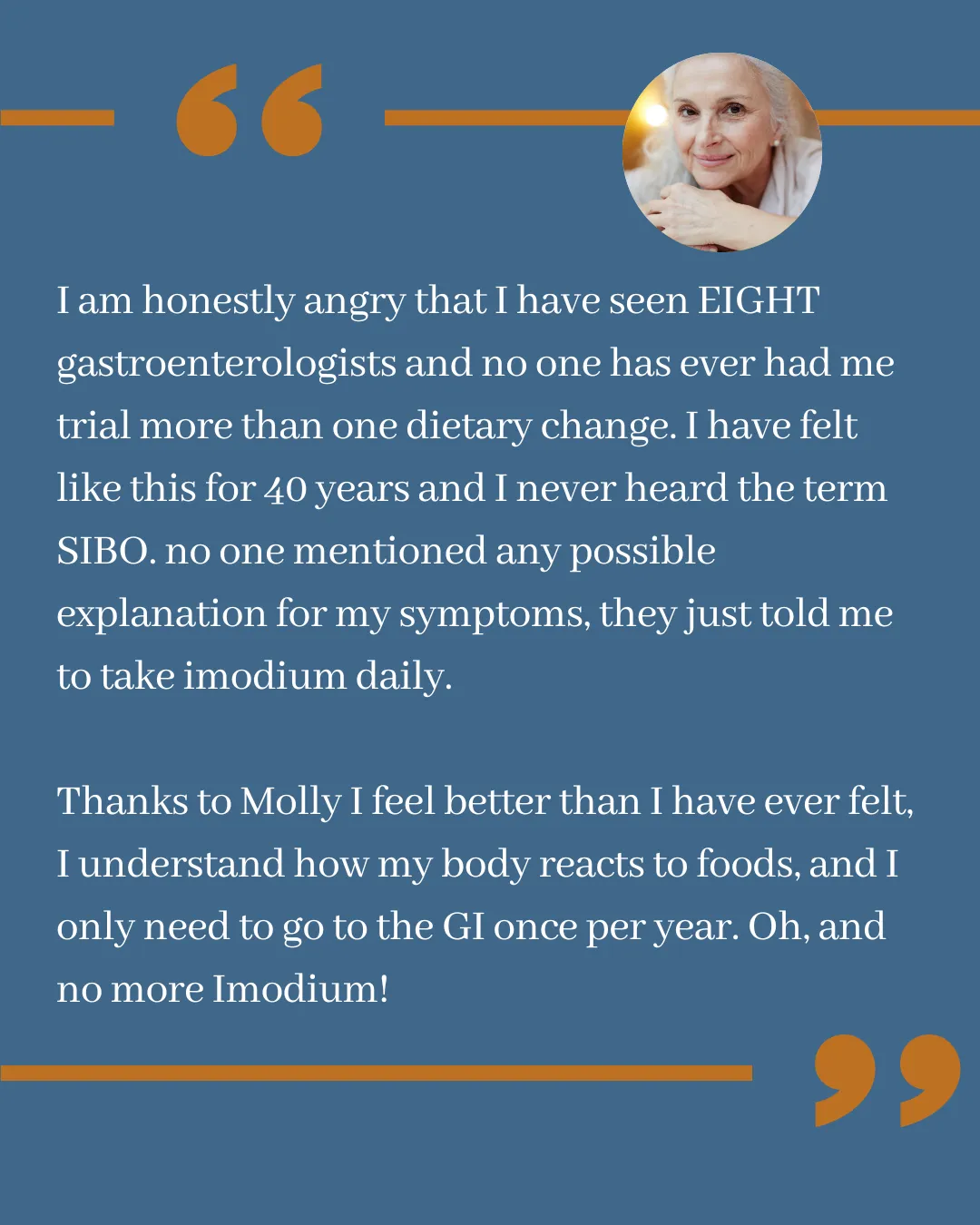
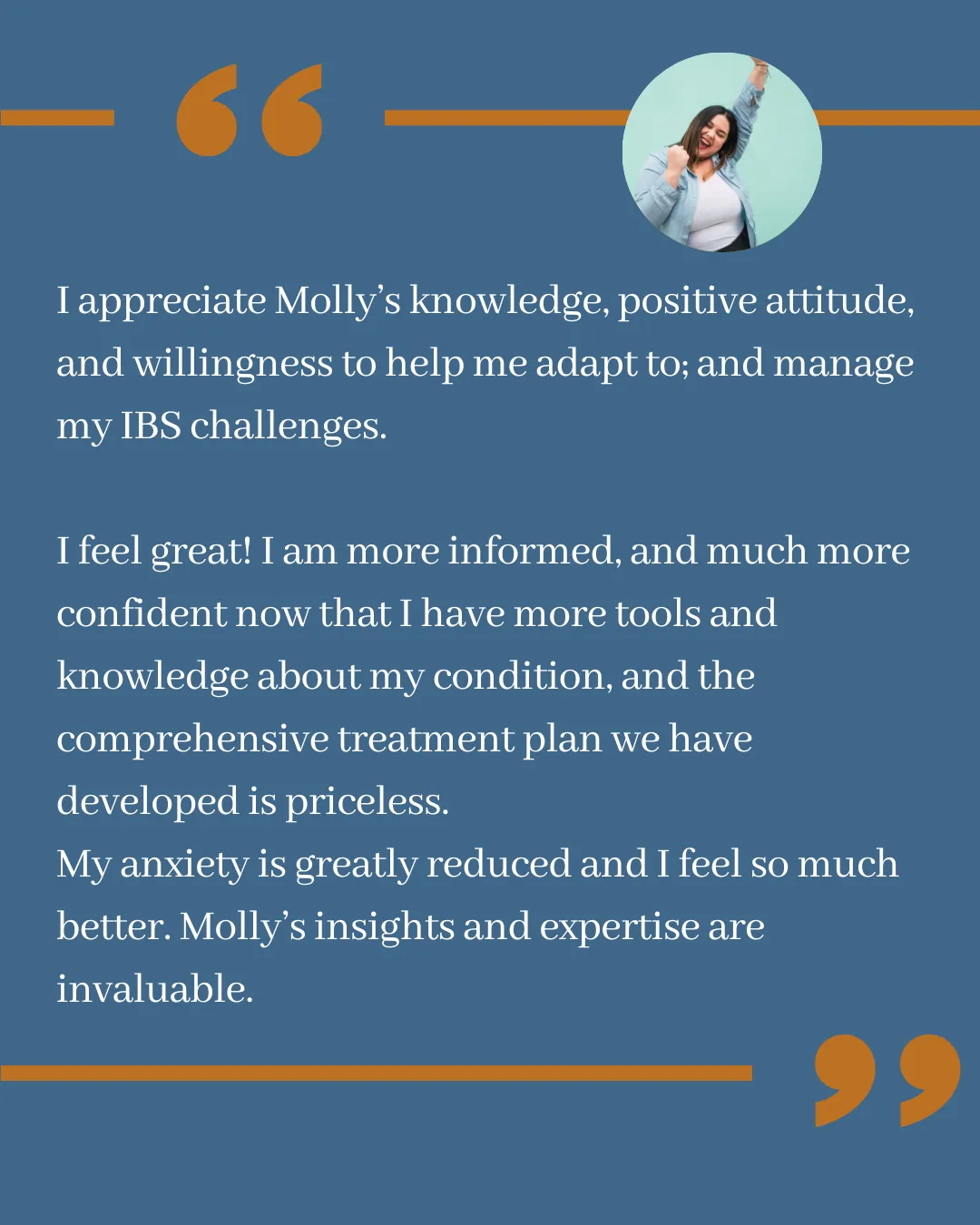
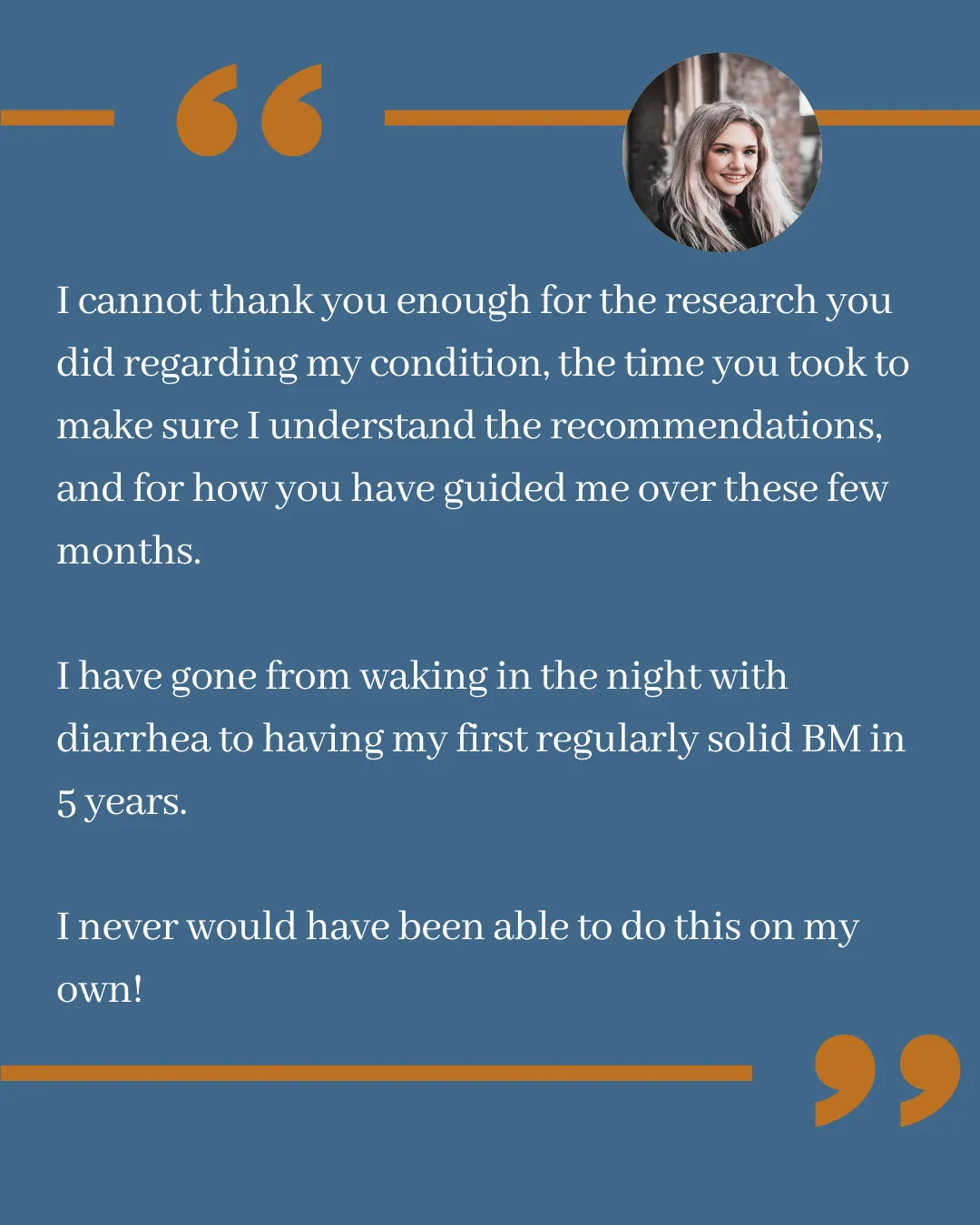
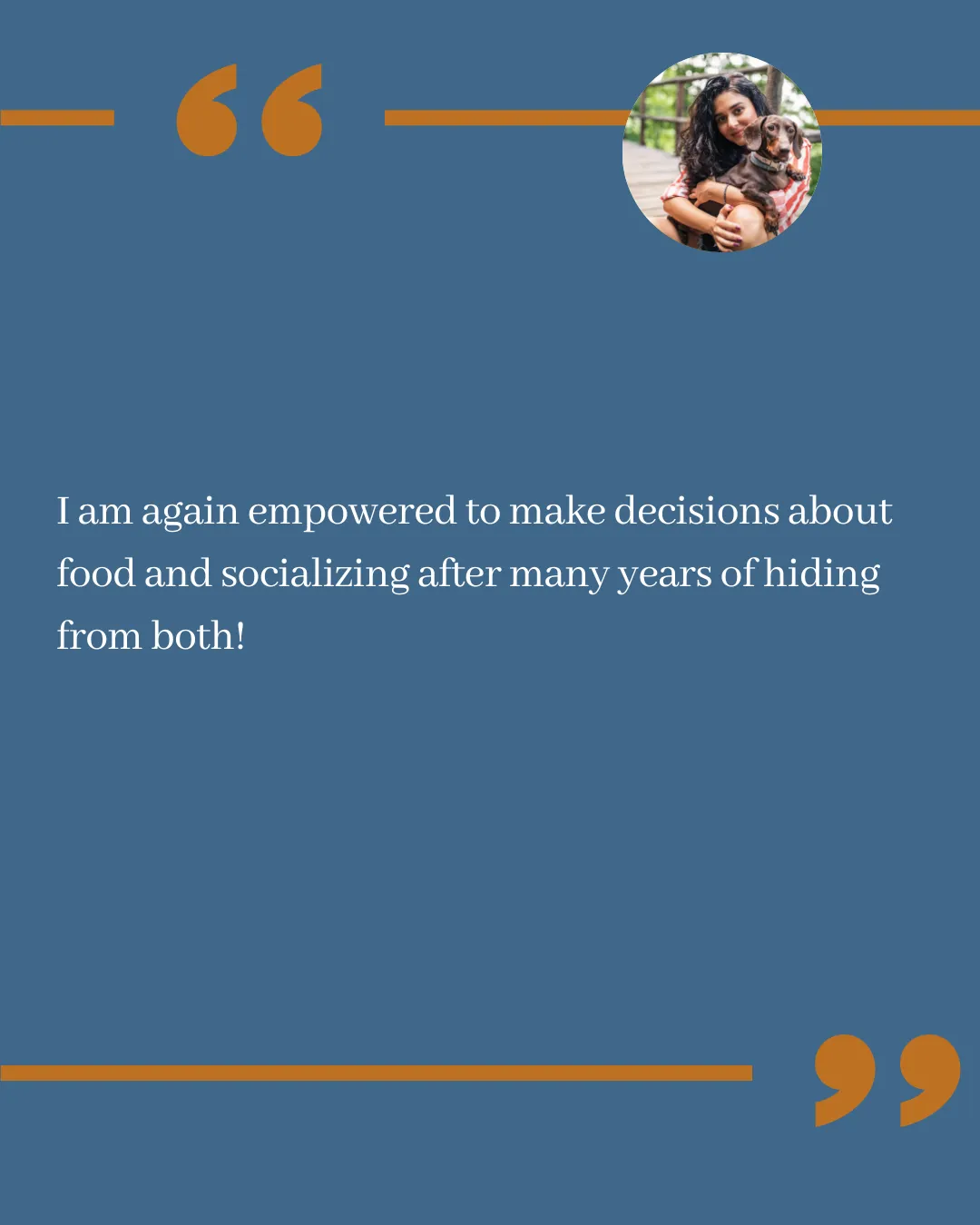
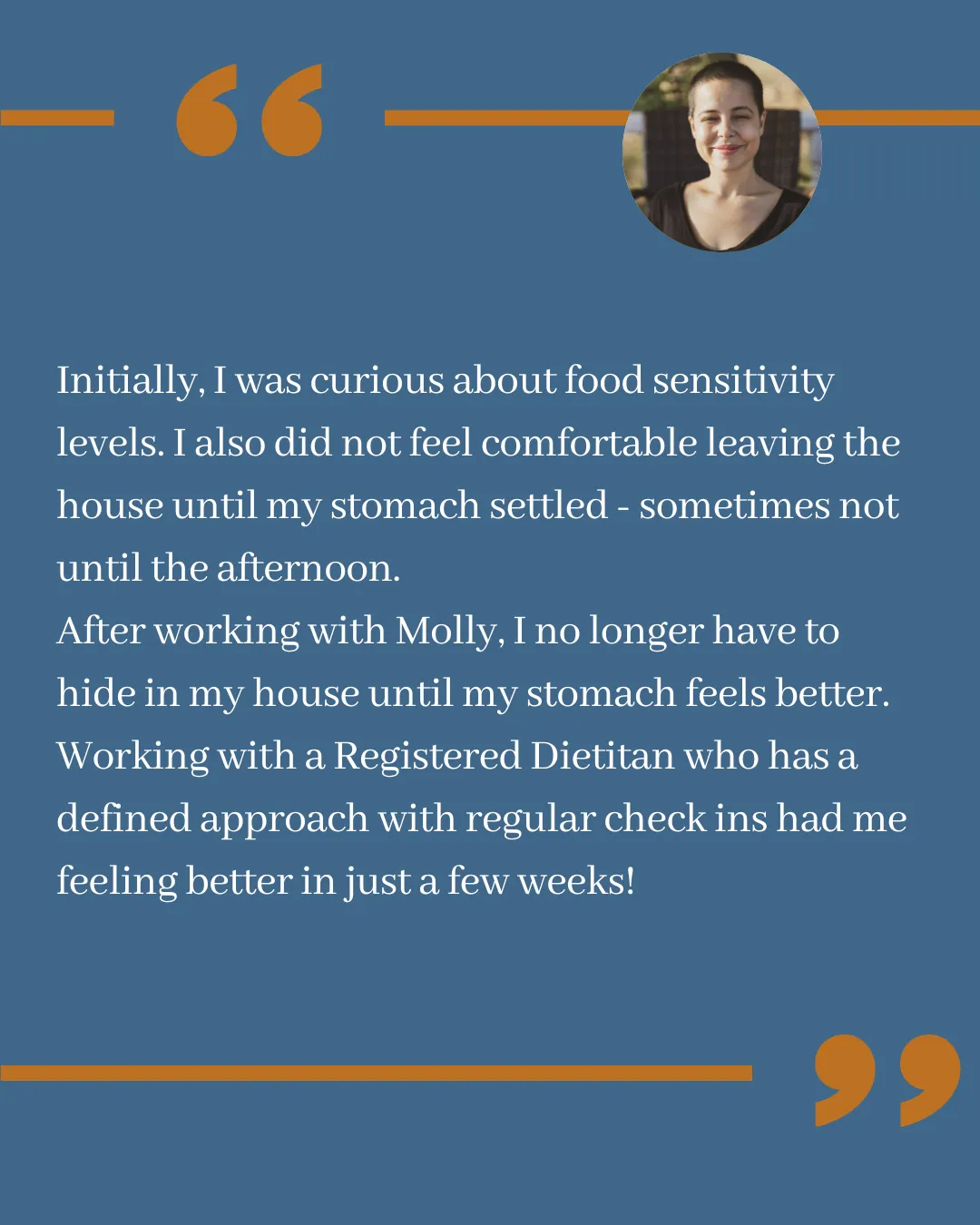
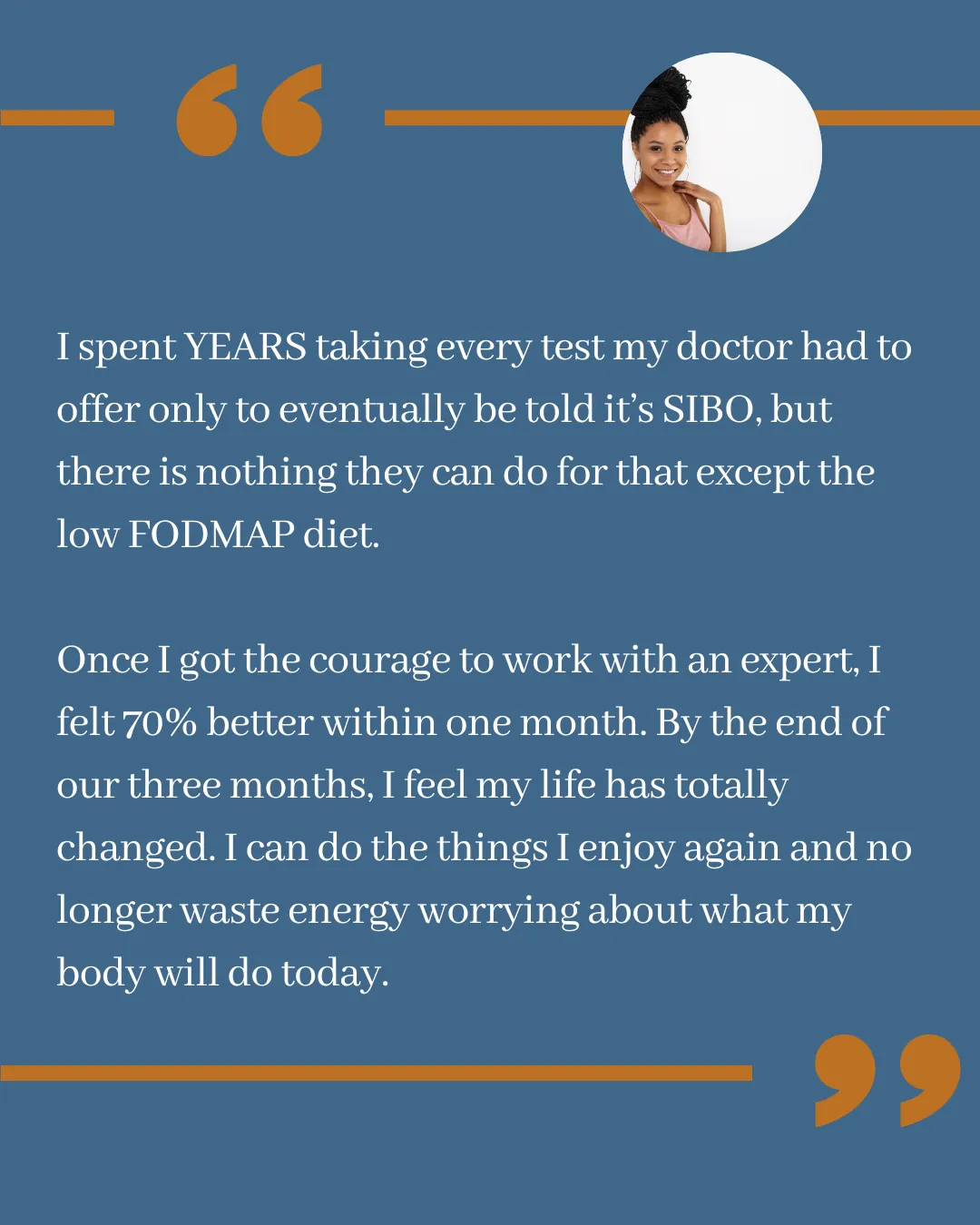
What our Customers are Saying
Our clients share stories of relief, empowerment, and joy as they overcome gut health challenges through personalized nutrition plans, rediscovering the pleasure of fearlessly enjoying food again.
INTRODUCING THE
She's Got Guts- A Women's Gut Health Podcast
Where functional medicine and nutrition blend with ancient wisdom to bring you science-backed tips and practical insights for thriving in your wellness journey.
Hosted by Lara, an Eastern medicine practitioner and wellness wizard, and Molly, a gut health dietitian who keeps it real, this podcast tackles everything from bloating and hormones to the ups and downs of being a woman in today’s world (without having a menty B).
If you’re looking for science-backed advice, no-nonsense tips, and a little humor along the way, you’re in the right place. Tune in every week to take control of your gut health and feel good from the inside out.
New Episodes Drop Every Saturday on YouTube,
Apple and Spotify.
Frequently Asked Questions
What is a Registered Dietitian and how is that different from a nutritionist?
A Registered Dietitian is a healthcare professional who has completed related coursework (usually bachelor's and master's degree) and been credentialed by the Academy of Nutrition and Dietetics via a board certification exam and 1200 hour supervised practice internship.
This is different from a nutritionist, as RDN's must comply with federal regulations, be licensed at the state level, and adhere to a code of ethics. Anyone, including you, can call themselves a "nutritionist".
RDN's use evidence-based recommendations backed by scientific research and have completed years of schooling to understand the human body, digestion, and metabolism of nutrients so they may make the most practical and appropriate recommendations without bias or misinformation.
Do you take insurance?
We can provide you with a superbill that offers codes for reimbursement of an out of network provider. We also accept health savings/flex savings cards for payment.
Insurance companies are not based in prevention or longer, thorough work. Think back to your last doctors appointment, did the doctor spend a full hour with you? Could you email the doctor over the weekend and expect a response?
The reason our programs work is because we offer a detailed, thorough, personalized service-not 15 minute increments that result in a band-aid solution.
The reason you are reading this is because you have tried the other ways, and they have not worked for you. This is the BEST kind of investment, one that saves time and money in the long run (no more $80 supplement purchases that do nothing).
Plus, you aren't alone on this journey. Our concierge style service offers messaging and phone check-ins as needed. When was the last time your insurance paid for a phone call on a Saturday afternoon so you could review a restaurant menu for safe options before a night out?
Is this an extreme elimination diet?
NO! You have tried those! In order for you to be successful, the foods we decide to eliminate should:
Make you feel better right away.
Be reintroduced via step by step process within 3 months.
Allow for you to still have PLENTY of options of things to eat within your budget, prep time frame, level of competency in the kitchen, and preferences.
Most of our clients are eliminating too many foods already, so the first step is usually to bring some variety back and give you all the resources you need to meal plan, grocery shop, and prep like a pro using foods that love you back and ultimately support a healthy gut.
Where is your office located?
This is a remote practice, and all sessions are via Zoom or similar, depending on your preference. No commuting to an office, waiting in a waiting room, having to leave work or getting a babysitter. Meetings and your patient portal are encrypted and HIPPA secure.
What do you offer that I cannot do myself?
I understand it seems like we can just search the internet or support groups to find a solution without making an investment. But, haven’t you tried this strategy already? How did that work out?
We offer answers to those contradicting recommendations (fiber or no fiber?), provide accountability (this time you WILL succeed!), and all recommendations are based on your body.
What works for one person does not work for another, and there is no one pill to heal your gut. If this was true, your physician would have given you the secret sauce years ago!
How does this work?
The first step is to schedule a free, 15 minute consult with Molly.
During your call, she will also explain the different options of our programs based on your story and needs.
From there she can place you with the right fit (group, 1:1, pediatric, etc) for an initial session that lasts around 70 minutes.
What happens at my first session?
We review your entire health history & organize what to tackle in order of priority (for example if you have chronic kidney disease and chronic diarrhea but kidneys are fine right now, we wouldn't focus specifically on kidney health right away). We review what you are currently eating and what your schedule looks like, your medications and supplements, and all of your questions. After this session, you will have:
-A personalized action plan with tweaks to diet, lifestyle, and the supplements (if appropriate) you take to feel better right away.
-Answers to all your burning questions about YOUR condition and history.
-An idea of why you may be experiencing the symptoms and/or frustrations you are dealing with.
-A meal plan and general outline of foods that work/do not work for your body.
We always recommend before you make a decision on how to proceed that you attend the initial session, which is packed with value. Price varies based on practitioner/program, and we discuss pricing during your 15 minute consult.
Do you address mold, MCAS, eczema, and hormones?
YES! We have found that these are all related to gut issues. The gut is connected to every other body system, so to heal involves looking deeper into other areas of the body, past or present toxin exposures, and all the other things! Hormones like estrogen and insulin are always a factor as well, and we work to bring the body back to harmony.
How much is it?
We have tons of options to help you. From self-paced courses like The Gut Restoration to small groups to concierge style 1:1 nutrition therapy, each of these options comes at a different price point based on the level of expert service you receive. For any service that includes live sessions with Molly, current payment plans start around $250/month (3 month commitment).
You can find Medical Nutrition Therapy all over the internet. We recommend investing in The Women's Gut Health Method only if you are serious about learning what your body needs and adjusting your current lifestyle, diet, and habits to a degree that works for you. Molly only works with women who want to ultimately experience the freedom to live life without worrying how your stomach will feel, optimize energy, and build a strong body and resilient nervous system. This takes more than a 1 hour session and our job is to light a fire under you to stop isolating and feeling like a victim of your current reality.
Over and over, we hear stories of women who have lost their spark, cannot eat at a restaurant with their partner, and are given an anti-depressant because this "must just be stress". You deserve better than that. You deserve to invest in yourself and your future to be playing with your grandchildren, confidently achieving goals, rocking clothes that make you feel HOT, and eating the foods you love at age 90 and beyond.
Do you work with men, non-binary, or transgender people?
Nutrition For People does not discriminate against race, gender, or sexual orientation. We are happy to hop on a call with any person and discuss how we can help or find a referral to a more experienced provider if we do not cover your particular issue within our areas of expertise. You will have the best results with ourgroup offerings if you fall within the neighborhood of someone who has gastrointestinal distress and identifies as a female who will or has experienced menopause.




© 2025 All Rights Reserved | Nutrition For People INC. | Designed by Lens on Luxury LLC